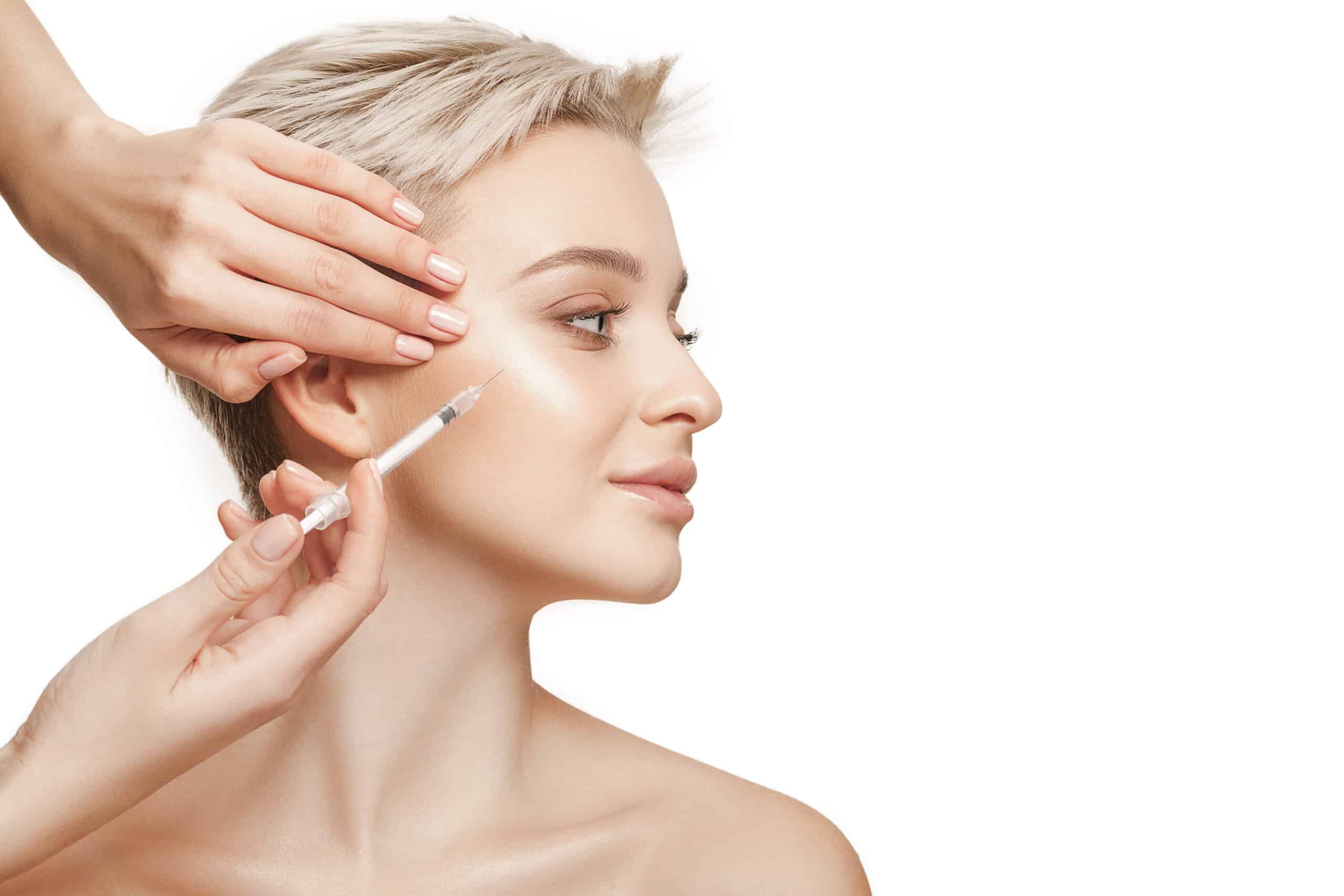
Temple Filler in Istanbul
Temple hollowing can develop through anatomy, ageing or loss of soft-tissue support. In suitable patients, conservative filler treatment may create a smoother transition between the forehead, temple and cheek.
The temple is an anatomically complex area. A natural result depends on full-face assessment and careful treatment depth rather than chasing perfect symmetry.
What Is Temple Filler?
Temple filler is an injectable treatment using a product selected for the planned tissue plane. It can support contour but cannot stop ageing, lift every area of the face or replace surgery when tissue laxity is the main concern.
Who Is It Suitable For?
Suitability is confirmed through an individual medical assessment. Treatment may be considered for:
- Adults with visible temple hollowing that affects facial balance
- Patients with realistic expectations for subtle contour support
- People without active infection or a contraindication to the chosen filler
Medical Assessment and Treatment Planning
Assessment includes the forehead, brow, cheek, hairline, vessels and facial asymmetry. Previous filler, surgery and medical history are reviewed. The chosen technique must reflect temple anatomy and the product being used.
What Happens During Treatment?
After cleansing, product is placed slowly with a needle or cannula in the selected plane. Small volumes and staged correction may be preferred.
Expected Results and Timeline
Contour change may be visible immediately, but swelling can temporarily alter symmetry. Final review is performed after settling. Results are temporary and maintenance needs vary.
Downtime and Recovery
Tenderness, swelling, headache or bruising may occur. Avoid planning treatment immediately before a major event.
Possible Side Effects and Limitations
No medical aesthetic treatment is risk-free. Possible effects and limitations include:
- Bruising, swelling, tenderness or asymmetry
- Visible contour irregularity or overcorrection
- Infection, nodules or delayed inflammation
- Rare vascular occlusion with tissue loss, visual impairment, blindness or stroke
Aftercare
Avoid firm pressure or massage unless directed. Seek urgent care for severe or increasing pain, skin colour change, visual disturbance, weakness or other sudden neurological symptoms.
Frequently Asked Questions
Will temple filler lift my face?
It may support contour in selected anatomy but should not be described as a surgical facelift.
Is the temple a high-risk area?
It contains important vessels and requires detailed anatomical knowledge, careful technique and emergency preparedness.
Can both sides be perfectly symmetrical?
Natural faces are asymmetric. The objective is improved balance, not mathematical identity.
Why temple hollowing occurs
The temple region may become more hollow because of natural anatomy, age-related changes in fat and other soft tissues or overall facial volume. This can change the perceived shape of the upper face. However, every temporal depression is not a cosmetic defect, and filler does not restore all underlying tissue layers. The physician considers the forehead, cheekbones, brow and surrounding contours before discussing an intervention.
The temple is a higher-risk injection region
The temple contains clinically important vessels and nerves, and it has connections relevant to the ophthalmic circulation. Accidental intravascular filler injection can cause severe complications, including tissue injury or visual loss. This risk cannot be eliminated by an appealing technique name or a standard volume. Before considering treatment, the anatomical benefit must justify the potential harm, and the patient should understand the emergency plan.
How natural balance is evaluated
The aim is to soften a selected hollow where appropriate, not to make both temples perfectly identical. Overcorrection can change the upper-face shape or create visible fullness. Previous filler, surgery, skin thickness and the degree of temple depression all affect the expected result. A subtle or staged approach is sometimes preferable; deciding not to inject can be reasonable.
Temple filler consultations in Istanbul
Assessment is available through Dr. Fuat Yurtseven’s clinic in Akasya Acıbadem, Üsküdar, Istanbul: Acıbadem Mah., Çeçen Sok., Akasya AVM Kent Etabı B1 Blok D:21. Patients travelling to Istanbul should share any history of previous temple injections and relevant facial surgery before consultation. For travel dates and individual follow-up arrangements see International Patients.
Related Treatments
Request a Personal Assessment in Istanbul
Share your main concern, relevant medical history, previous treatments and preferred dates. Final suitability is confirmed in person at our Akasya Acibadem clinic in Uskudar.
Request an Assessment on WhatsApp
You can request a personal assessment about this topic.
You can contact our clinic on WhatsApp about this treatment.