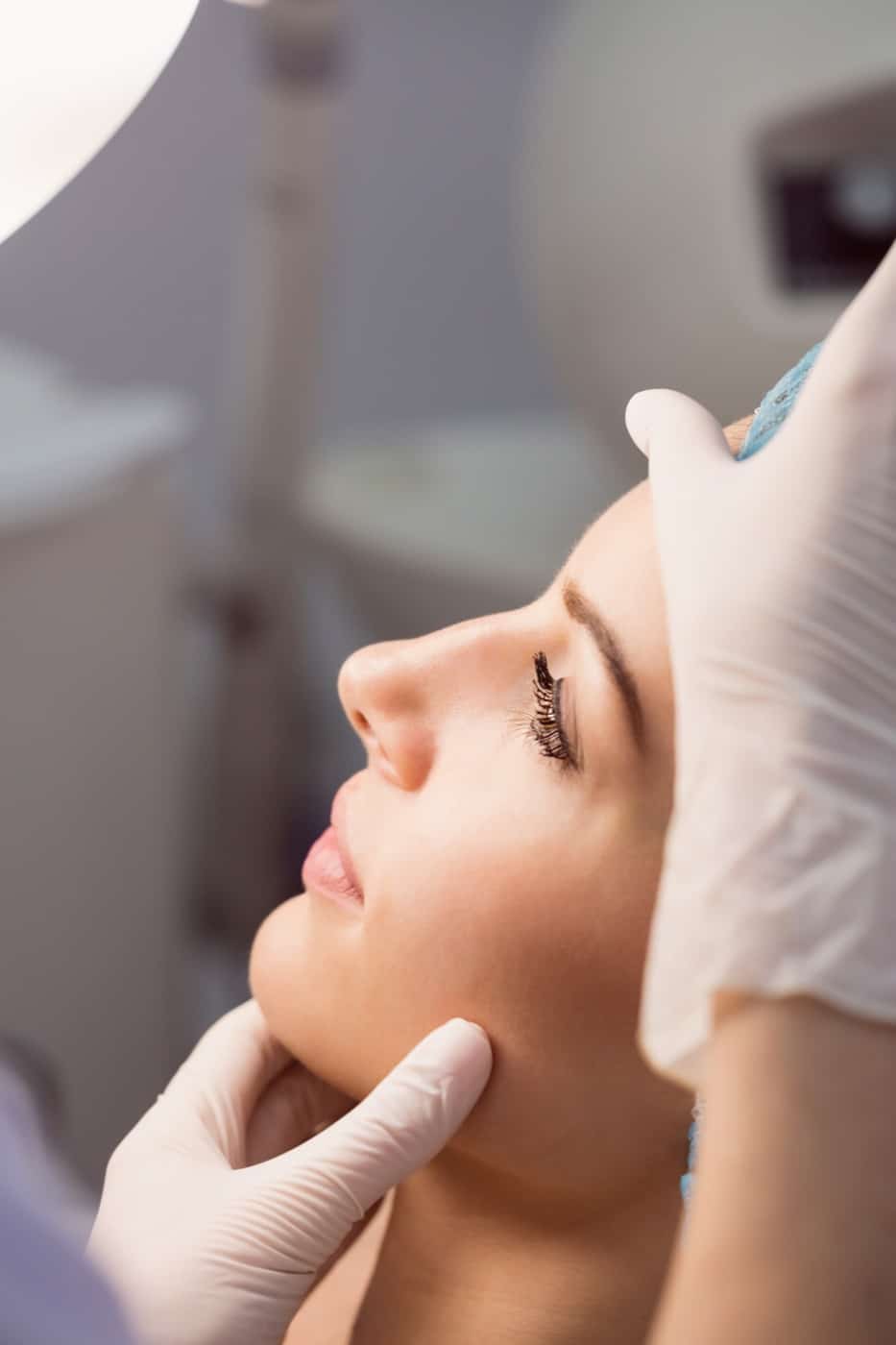
Masseter Botox in Istanbul
Masseter Botox involves injecting botulinum toxin into selected parts of the masseter muscles, which are major muscles used for chewing.
It may be considered in patients with clinically significant masseter prominence or excessive muscle activity. Depending on the individual anatomy, reducing masseter activity may gradually soften the appearance of a wide lower face.
Masseter Botox does not change the jawbone, does not treat every cause of facial width and should not be presented as a universal treatment for jaw pain or teeth grinding.
What Is the Masseter Muscle?
The masseter is a strong chewing muscle located at the side of the jaw.
It becomes active when a person clenches the teeth. Its size and prominence vary according to:
- Genetics
- Facial structure
- Chewing habits
- Clenching
- Bruxism
- Diet
- Training and muscle activity
- Dental and bite-related factors
A wide lower face may be caused by bone structure, masseter muscle, facial fat, soft-tissue laxity or a combination of these.
What Does Masseter Botox Do?
Botulinum toxin temporarily reduces selected muscle activity.
When injected into an enlarged masseter muscle, it may:
- Reduce excessive contraction
- Gradually reduce muscle prominence
- Soften selected cases of a square lower-face appearance
- Improve right-left balance when asymmetry is muscle-related
Clinical studies and reviews report reductions in masseter prominence and thickness after botulinum toxin treatment, but protocols and outcomes vary.
Who May Be Suitable?
Masseter Botox may be considered when:
- The lower-face width is substantially influenced by masseter muscle size
- The masseter becomes visibly prominent during clenching
- There is muscle-related asymmetry
- The patient wants gradual softening rather than bone-structure change
- Chewing function and dental history have been assessed
- Expectations are realistic
Suitability should be confirmed dynamically by examining the face at rest and during clenching.
Who May Not Be an Ideal Candidate?
Masseter Botox may not be the best option when:
- Lower-face width is primarily due to jawbone structure
- Jowling or skin laxity is the dominant concern
- Facial volume is already limited
- There is significant chewing weakness
- There is an undiagnosed dental or temporomandibular problem
- The patient expects the jawbone to become smaller
- The patient expects permanent facial slimming
- Treatment could worsen lower-face imbalance
Reducing masseter volume in a face with existing skin laxity may make jowling more noticeable in some patients. Lower-face support should therefore be assessed before treatment.
Is Masseter Botox a Treatment for Bruxism?
Botulinum toxin is sometimes used in patients with excessive jaw-muscle activity or bruxism-related symptoms.
However, bruxism can be influenced by:
- Sleep disorders
- Stress
- Dental occlusion
- Medication
- Neurological factors
- Behavioural habits
- Temporomandibular disorders
Masseter injection does not correct every underlying cause.
Patients with pain, limited mouth opening, joint sounds, dental damage or persistent headaches may require dental, maxillofacial or other medical evaluation.
The aesthetic plan and the functional pain plan should not automatically be treated as the same protocol.
How Is Treatment Planned?
The physician evaluates:
- Facial shape at rest
- Masseter activity during clenching
- Muscle thickness
- Right-left asymmetry
- Smile dynamics
- Jawline and jowl support
- Previous toxin treatments
- Chewing symptoms
- Dental or temporomandibular history
- Expected change
Injection points are selected within safe anatomical boundaries.
Dose should be individualised according to:
- Product used
- Muscle size
- Sex and facial structure
- Treatment objective
- Previous response
- Functional requirements
Botulinum toxin units are not interchangeable between different products.
What Happens During Treatment?
The masseter is examined and marked while the patient clenches.
Small injections are placed into selected areas of the muscle. The procedure itself is usually brief.
Patients may experience:
- Pinching
- Temporary tenderness
- Mild bruising
- A feeling of heaviness
- Temporary awareness while chewing
Patients should follow the physician’s post-treatment advice and avoid pressing or massaging the area unless instructed.
When Does Masseter Botox Work?
The reduction in muscle activity begins before the full contour change becomes visible.
Facial slimming is gradual because the muscle volume changes over time. Maximum aesthetic assessment may take several weeks or months.
A randomised split-face trial observed measurable masseter-volume reduction over a 24-week follow-up, with maximum change around week 12 in the studied group. This does not mean every patient will follow the same timeline.
How Long Does It Last?
The effect is temporary.
Duration varies according to:
- Product
- Dose
- Muscle strength
- Individual metabolism
- Chewing habits
- Previous treatment
- Treatment interval
Repeat treatment should be based on clinical reassessment rather than an automatic schedule.
Over-treatment or overly frequent treatment may create excessive weakness or an appearance that does not suit the patient’s facial structure.
What Are the Possible Side Effects?
Possible temporary effects include:
- Injection-site pain
- Bruising
- Tenderness
- Chewing fatigue
- Headache
- Asymmetry
- Temporary weakness
Less common but important aesthetic or functional concerns can include:
- Smile asymmetry
- Unwanted change in lower-face shape
- Excessive chewing weakness
- Difficulty with harder foods
- Compensatory use of other muscles
- More visible jowling
- Bulging of untreated muscle fibres
- Changes in facial balance
Reviews assessing masseter treatment emphasise both aesthetic effects and possible functional changes, supporting conservative dosing and careful follow-up.
Masseter Botox or Jawline Filler?
These treatments address different structures.
Masseter Botox reduces selected muscle activity and may gradually reduce muscle prominence.
Jawline filler adds structural support or contour.
In some patients:
- Muscle reduction may be appropriate
- Structural support may be appropriate
- Neither may be appropriate
- A staged combination may be considered
Applying filler to every wide face can make the lower face heavier. Reducing the masseter in every patient can worsen laxity. Assessment should identify the dominant anatomical cause.
The Chin Filler page may be relevant when structural support is part of the lower-face assessment.
Masseter Botox for International Patients
International patients should allow time for an in-person assessment.
Before arrival, share:
- Front and profile photographs
- A photograph while clenching
- Previous botulinum toxin history
- Jaw-pain or bruxism history
- Dental or temporomandibular diagnoses
- Travel dates
The contour change develops gradually, so it will not be complete during a short visit. A follow-up plan should be discussed before treatment.
Frequently Asked Questions
Does masseter Botox change the jawbone?
No. It affects muscle activity, not bone structure.
Will it make my face slimmer immediately?
No. Muscle-related contour change develops gradually.
Can it help teeth grinding?
It may reduce selected muscle activity, but it does not treat every cause of bruxism. Diagnosis and dental assessment may still be required.
Can masseter Botox cause jowls?
Reducing muscle volume may make existing laxity more visible in some faces. Lower-face support and skin quality should be assessed beforehand.
Masseter Botox Assessment in Üsküdar, Istanbul
A successful plan begins by determining why the lower face appears wide.
The physician should distinguish between:
- Bone
- Muscle
- Fat
- Skin laxity
- Structural support
- Functional jaw problems
The goal is not maximum muscle reduction. It is an anatomically appropriate degree of change that preserves chewing function and facial balance.
Bruxism and masseter enlargement are different problems
Masseter hypertrophy can contribute to a wider lower face, but teeth grinding and jaw pain can arise from several causes including dental, joint and sleep-related factors. An injection that reduces muscle activity does not automatically eliminate bruxism or every type of temporomandibular pain. Functional symptoms may warrant dental or relevant specialist evaluation. The target of treatment should be agreed before considering cosmetic lower-face contouring.
Masseter Botox in Istanbul: function and follow-up
The clinic is based at Akasya Acıbadem, Üsküdar, Istanbul (Acıbadem Mah., Çeçen Sok., Akasya AVM Kent Etabı B1 Blok D:21). International visitors should discuss chewing difficulties, jaw symptoms, previous masseter injections and intended travel dates before the appointment. Muscle response and visible contour changes may follow different timelines. Excessive weakness, asymmetry or an unwanted reduction of lower-face support should be considered in treatment planning. For details, see Contact.

You can request a personal assessment about this topic.
You can contact our clinic on WhatsApp about this treatment.