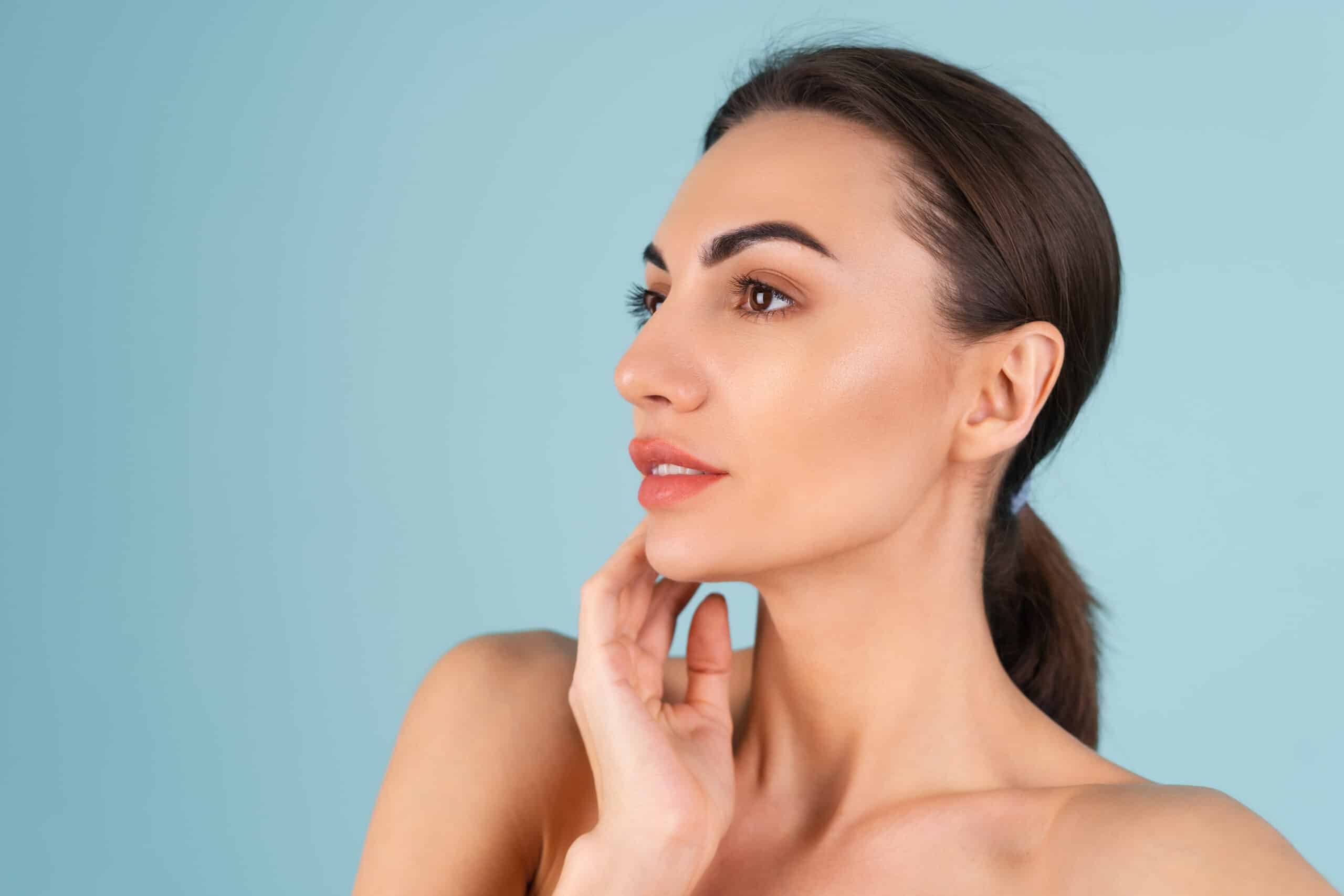
Cheek Filler in Istanbul
Cheek filler is planned to support mid-face structure, contour and a rested appearance without overfilling the face.
The cheek area is evaluated together with under-eye support, nasolabial folds, facial width and natural bone structure.
What is cheek filler?
Cheek filler is a non-surgical injectable treatment used to support mid-face volume, contour and facial harmony in suitable patients.
A natural cheek plan is not only about adding volume. It requires understanding facial proportions, tissue quality and how the mid-face supports surrounding areas.
What is evaluated before cheek filler?
Volume loss and structural support are considered together.
Cheek projection, facial width and contour are assessed before deciding the amount.
The goal is a smooth transition with nearby areas, not isolated fullness.
Consultation and treatment process
Before treatment, your medical history, expectations, facial anatomy and skin quality are reviewed. The aim is to create a plan that fits your features rather than applying a standard protocol.
- Initial assessment and suitability check
- Discussion of realistic outcomes and alternatives
- Physician-led treatment planning
- Clear aftercare recommendations and follow-up when needed
Aftercare and when to contact the clinic
After cheek filler, avoid pressure on the treated area and follow the specific instructions given at the clinic. Mild swelling or tenderness may occur in the early period.
Contact the clinic if you notice increasing pain, unusual color change, severe swelling, signs of infection or any symptom that does not feel normal for you.
Frequently asked questions
Will cheek filler lift the face?
It can improve the appearance of mid-face support in suitable patients, but it is not a surgical lift.
How much cheek filler is needed?
The amount depends on anatomy, volume loss and the desired degree of refinement.
Can cheek filler look natural?
Yes, when the plan is conservative and proportion-based.
Cheek contour, hollowing and midface anatomy
The visible cheek is influenced by bone projection, fat compartments, facial movement and the condition of the overlying skin. Adding filler may support a selected contour concern, but it does not directly reposition all sagging tissues. The plan should assess both front and three-quarter views, under-eye anatomy and the natural transition towards the nasolabial fold. Strong projection is not automatically the most natural option.
Cheek filler versus nasolabial fold filler
A prominent fold alongside the nose and mouth does not always mean the fold itself should be injected. Midface anatomy and the way the cheek transitions into the lower face may contribute. Conversely, additional cheek volume is not guaranteed to erase a nasolabial fold. The best approach can be conservative treatment, a different modality or leaving a natural fold unchanged. Read nasolabial fold filler for a comparison.
How are volume and symmetry evaluated?
The goal is improved proportion, not mathematical symmetry. Anatomical asymmetry is common, and the two sides of a face may not require equal volumes. Prior filler, facial fat changes, skin thickness and previous surgical procedures may change what can reasonably be achieved. A staged approach can be preferable to adding large volumes during a single visit.
Potential side effects and emergency symptoms
Bruising, temporary swelling, tenderness and irregularity can occur. Infection, nodules or late inflammatory reactions may develop. Rarely, filler compromises circulation and can cause tissue necrosis or visual complications. Sudden marked pain, unusual blanching, livedoid colour change or vision change requires immediate medical attention. Using a dissolvable hyaluronic acid product does not guarantee reversal of serious injury.
Cheek filler assessment in Istanbul
Dr. Fuat Yurtseven’s clinic is in Akasya Acıbadem, Üsküdar, Istanbul (Acıbadem Mah., Çeçen Sok., Akasya AVM Kent Etabı B1 Blok D:21). If you are visiting Istanbul for facial contour treatment, bring or share the dates and details of previous filler and other aesthetic procedures. A personal consultation is required before choosing product, amount or timing. More visit information is available on the international patients page.
Cheek filler and the under-eye transition
The border between the lower eyelid and midface can look hollow or shadowed because of anatomical support, skin thinness and pigmentation. Cheek support may change the perceived contour in selected patients, but it cannot treat every dark circle or true under-eye bag. The clinician should avoid adding cheek volume solely to make an unrelated skin-quality problem disappear.
Overfilling and long-term review
Excessive filler can make the midface appear wider or heavier, particularly when product from previous treatments is already present. The correct quantity is not determined by a standard one- or two-millilitre package. Facial balance and remaining filler should be reviewed before repeat treatment. Good outcomes may mean a modest adjustment—or deciding that no additional filler is needed.
Request a personal assessment
Contact the clinic to discuss whether cheek filler fits your facial anatomy and aesthetic goals.

You can request a personal assessment about this topic.
You can contact our clinic on WhatsApp about this treatment.