BBL Skin Rejuvenation in Istanbul
BBL skin rejuvenation is a light-based treatment used to address selected pigmentation, redness and visible sun-related skin changes.
The term BBL refers to broadband light. It belongs to the broader family of intense pulsed light treatments, which deliver filtered ranges of light rather than a single laser wavelength.
Treatment should be planned according to skin type, target colour, recent sun exposure, medication history and the specific condition being treated. It is not suitable for every pigmentation problem and should not be used without an accurate diagnosis.
What Can BBL Target?
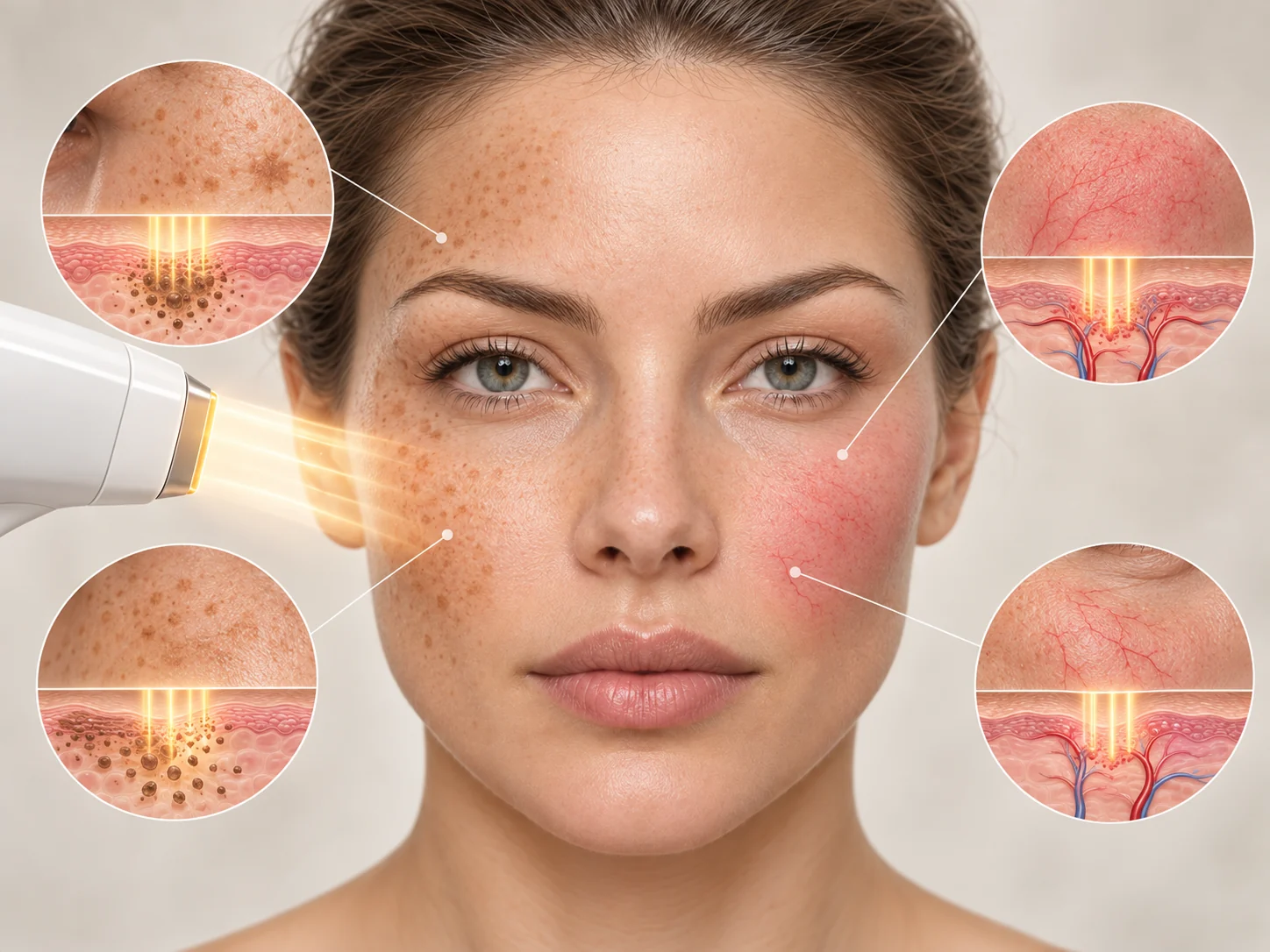
Depending on the skin assessment, BBL may be considered for:
- Sun spots
- Selected lentigines
- Uneven pigmentation
- Facial redness
- Visible small vessels
- Selected signs of photodamage
- Uneven skin tone
- Combination pigment and redness concerns
Systematic reviews of intense pulsed light report potential improvement in lentigines, erythema, telangiectasia and photoageing-related changes, but the quality of evidence varies and treatment protocols are not uniform.
The aim should be to identify the correct chromophore and diagnosis, not simply to apply light to every brown or red mark.
Is BBL a Laser?
BBL is not a single-wavelength laser.
It uses broad-spectrum pulses of light that are filtered according to the intended target. Light energy is absorbed by selected chromophores, such as melanin in pigmented lesions or haemoglobin in vascular redness.
This is why pigmentation and vascular concerns may require different filters and settings.
Who May Be Suitable?
BBL may be considered when:
- The concern is consistent with a treatable pigment or vascular target
- The patient has avoided recent tanning
- Skin type and treatment settings can be matched appropriately
- There is no active infection or open wound
- The patient accepts that multiple sessions may be required
- The patient understands that some pigmentation disorders can recur
Suitability is not determined by skin colour alone. Skin phototype, ethnic background, tanning tendency, recent sun exposure and the nature of the pigment should all be considered.
Which Pigmentation Problems Should Not Be Treated Automatically?
Not every brown patch is a simple sun spot.
Pigmentation may be related to:
- Melasma
- Post-inflammatory hyperpigmentation
- Medication
- Hormonal factors
- Recent irritation
- A melanocytic lesion
- A condition requiring dermatological diagnosis
Melasma can respond unpredictably to light and may worsen in some patients. Suspicious, changing or irregular pigmented lesions should be medically evaluated rather than treated cosmetically.
Can BBL Treat Redness?
BBL may be used for selected vascular concerns, including diffuse redness and visible superficial vessels.
However, facial redness can also be associated with:
- Rosacea
- Active dermatitis
- Acne-related inflammation
- Medication
- Heat sensitivity
- Other dermatological conditions
The treatment plan should distinguish between visible vessels, background redness and active inflammatory disease.
How Is Treatment Planned?
The consultation includes:
- Skin phototype
- Pigmentation pattern
- Vascular pattern
- Recent sun exposure
- Tanning history
- Previous light or laser treatments
- Current skincare
- Photosensitising medications
- History of post-inflammatory hyperpigmentation
- Treatment area and expected recovery
A test spot may be considered in selected patients.
What Happens During BBL Treatment?
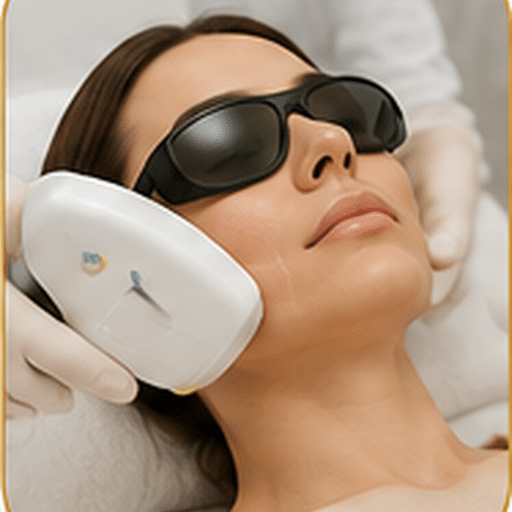
The skin is cleansed and protective eyewear is used. A coupling gel may be applied.
Pulses of light are delivered over the selected areas. Patients may experience a brief hot or snapping sensation.
Treatment parameters are adjusted according to:
- Target colour
- Skin type
- Treatment area
- Previous response
- Pigmentation risk
- Device characteristics
Using more energy does not automatically create a better result. Excessive or unsuitable energy can increase the risk of burns and pigmentation changes.
What Happens to Pigmented Spots Afterwards?
Selected pigmented lesions may temporarily become darker after treatment. They may then fade or shed gradually.
Patients should not scratch or manually remove darkened areas.
The response depends on:
- Pigment depth
- Diagnosis
- Skin type
- Energy settings
- Sun exposure
- Individual healing response
Not every pigmented lesion disappears completely.
What Is the Recovery Like?
Temporary effects may include:
- Redness
- Warmth
- Mild swelling
- Darkening of treated pigment
- Sensitivity
- Temporary dryness
- Mild crusting
More significant adverse effects can include blistering, burns, prolonged redness, post-inflammatory hyperpigmentation or hypopigmentation. Reviews of non-ablative energy treatments identify post-inflammatory hyperpigmentation as an important adverse event, particularly in more pigment-prone skin.
Sun Protection After Treatment
Sun protection is a central part of the treatment plan.
Patients may be advised to:
- Avoid intentional tanning
- Use broad-spectrum sunscreen
- Reapply sunscreen when outdoors
- Avoid picking darkened spots
- Follow the recommended skincare plan
- Report blistering or increasing pain
Treating sun-related pigmentation without improving sun protection can limit the durability of the result.
How Many Sessions Are Needed?
The number of sessions depends on:
- Diagnosis
- Number and depth of targets
- Skin type
- Treatment tolerance
- Previous response
- Desired degree of improvement
Some patients may notice a change after one treatment; others require a planned series. A fixed package should not replace reassessment.
BBL and Skin Rejuvenation
The term “skin rejuvenation” can be misleading if it implies that light treatment corrects every aspect of skin ageing.
BBL is more directly relevant to selected colour-related concerns. It does not replace other treatment options such as:
- Volume restoration
- Muscle-relaxing treatment
- Surgical lifting
- Treatment of deep scars
- A complete medical skincare plan
Texture, laxity, volume and pigmentation should be assessed separately.
BBL for International Patients
International patients should avoid significant sun exposure before and after treatment.
A light-based treatment immediately before a beach holiday is generally not a sensible plan.
Before travelling, provide:
- Recent photographs
- Skin type and tanning history
- Previous pigmentation problems
- Current skincare and medication list
- Arrival and departure dates
- Planned sun exposure after treatment
Final settings are determined after in-person skin examination.
Frequently Asked Questions
Is BBL suitable for melasma?
Melasma requires careful diagnosis. Light-based treatment may be unsuitable or may worsen pigmentation in some patients.
Is BBL painful?
Most patients describe brief heat or snapping sensations. Comfort varies according to the area and settings.
Can BBL be performed in summer?
Timing depends on sun exposure, tanning and the ability to protect the skin. Season alone is not the only factor.
Is BBL safe for darker skin types?
Treatment may be possible in selected patients, but pigment-related risks can be higher. Conservative settings and appropriate patient selection are essential.
BBL Skin Assessment in Istanbul
Successful light treatment begins with diagnosis.
The central questions are:
- Is the visible colour a suitable target?
- Is the skin currently safe to treat?
- Which settings provide an appropriate balance between benefit and risk?
- How will recurrence and sun exposure be managed?
BBL, pigmentation diagnosis and sun exposure
BroadBand Light (BBL) is an intense pulsed light technology rather than the same thing as an ablative resurfacing laser. Pigmented lesions should be assessed before treatment; not every brown patch is a safe IPL target. Melasma, recent tanning and certain medications can raise concern about unexpected pigmentation or burns. Adequate eye protection and suitability assessment are essential. Repeated sessions are not a substitute for sun protection or diagnosis.
BBL Skin Rejuvenation in Istanbul: timing your visit
The clinic is located in Akasya Acıbadem, Üsküdar, Istanbul (Acıbadem Mahallesi, Çeçen Sokak, Akasya AVM Kent Etabı B1 Blok D:21). Istanbul visitors should disclose tanning, sun exposure, skin type and prior pigment treatments when requesting consultation. Temporary redness and darkening of treated spots may occur. Plan around expected skin changes and avoid assuming one session will correct all pigmentation or redness. Visit International Patients for travel-related guidance.

You can request a personal assessment about this topic.
You can contact our clinic on WhatsApp about this treatment.